
Neighborhoods That Function During Heavy Snowfall
Sub-Division Snow Removal in Bluff City for HOA roads, cul-de-sacs, and residential streets buried under winter storms
Subdivision streets and cul-de-sacs see less municipal attention than main roads, leaving residents stranded when snow accumulates faster than county crews can respond. Dedicated snow clearing for neighborhoods keeps internal roads passable so emergency vehicles reach homes and residents commute without waiting days for thaw. Holston Valley Land and Forestry provides subdivision snow removal across Bluff City and Johnson City, focusing on HOA-managed communities where timely clearing prevents isolation and maintains property access throughout the winter season.
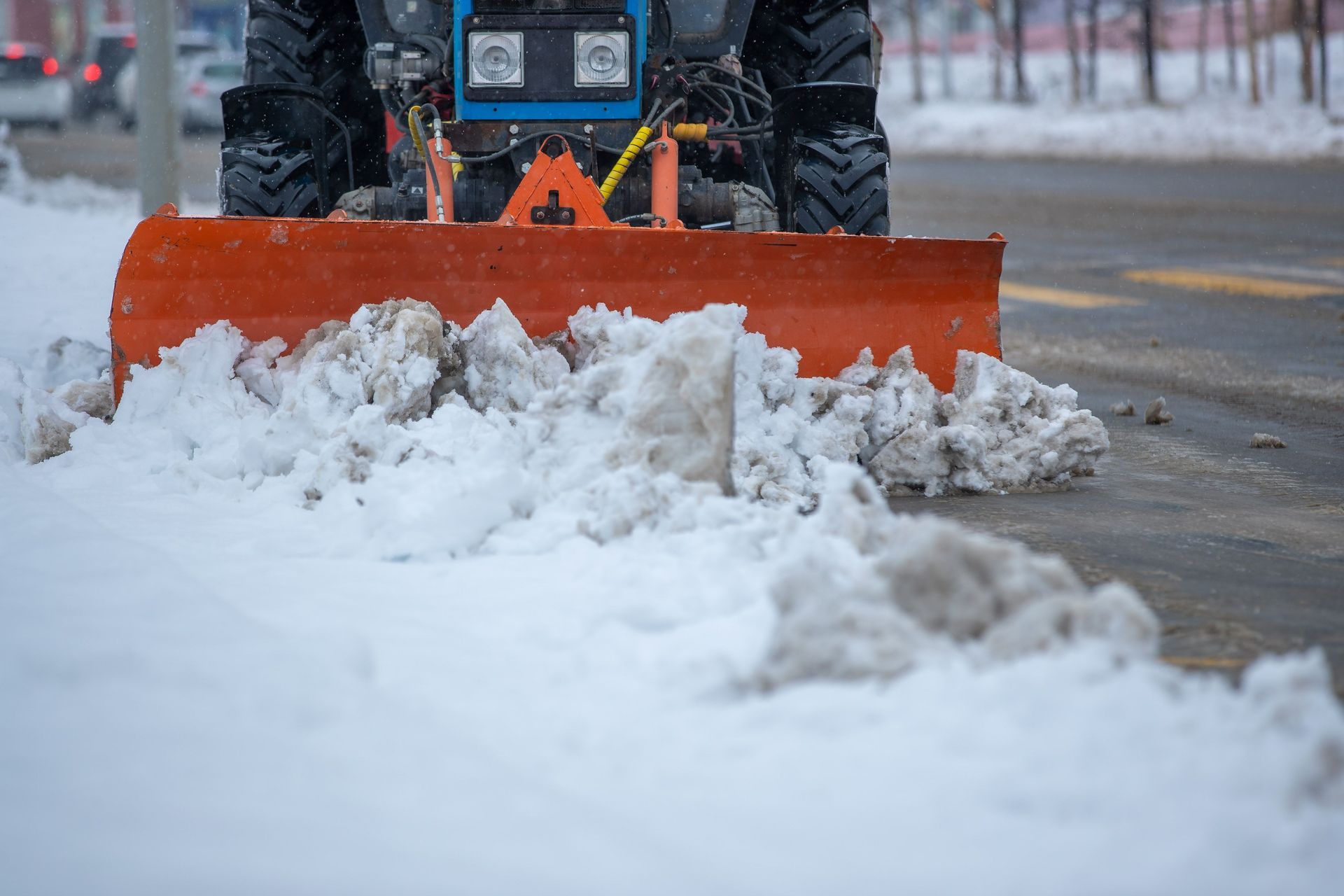
This involves plowing collector roads wide enough for two-way traffic, clearing turnarounds where cul-de-sacs dead-end, and managing snow piles so drainage systems stay open and visibility at intersections remains clear. Neighborhoods with narrow streets or on-street parking require careful blade work to avoid damaging mailboxes and parked vehicles.
Schedule a site walk to review road widths, turnaround areas, and priority routes before winter weather arrives.
How Subdivision Clearing Differs From Individual Driveways
Subdivision work prioritizes connectivity over complete bare pavement—roads are cleared enough for vehicle passage rather than scraped to asphalt, and main collector routes receive attention before secondary side streets. Cul-de-sacs are plowed in a circular pattern that leaves snow berms along the outer edge rather than blocking individual driveways, though some overflow near mailboxes is unavoidable when snow volumes exceed ten inches.
After clearing, residents notice they can drive from their driveway to the subdivision entrance without navigating ruts or getting stuck in unplowed sections, and school buses resume routes once turnarounds are passable. Streets stay open for through traffic even as additional snow falls, since initial clearing reduces buildup that would otherwise compact into ice layers.
HOAs typically contract for a set number of passes per storm based on forecasted depth, with additional clearing billed separately if accumulation exceeds projections or if ice storms follow the initial snowfall. The service includes road plowing and intersection clearing but does not cover individual driveway aprons unless specified in the HOA agreement.
Answers to Frequent Service Questions
Subdivision snow removal involves coordination between HOA boards, residents, and clearing crews to balance speed with thoroughness.
What routes get plowed first during a subdivision clearing?
Main collector roads connecting the subdivision to public streets receive priority, followed by cul-de-sacs and secondary loops, so residents can exit the neighborhood even if interior streets await attention.
How are parked cars handled during snow removal in Johnson City neighborhoods?
Crews plow around parked vehicles when possible, but streets with continuous parking on both sides may only receive partial clearing until residents move cars, since standard plow widths cannot fit between obstacles.
Why do cul-de-sacs accumulate snow berms along the edges?
Circular plowing patterns push snow outward to avoid blocking the center turnaround area, which results in higher berms near mailboxes and lawn edges where material has nowhere else to go.
When should HOAs schedule clearing relative to snowfall timing?
Clearing works best once accumulation stops or slows, since plowing during active snowfall requires multiple passes and wastes time re-clearing roads that immediately fill in again.
How deep does snow need to be before subdivision plowing is justified?
Most HOAs trigger service once three to four inches accumulate, since lighter snowfall often melts within a day or two and heavier amounts become difficult to move if left to compact overnight.
Holston Valley Land and Forestry works with HOA property managers to establish service triggers, priority routes, and communication protocols so residents know when clearing will occur and what to expect. Request a proposal tailored to your subdivision's road layout and typical snow volume patterns.