
Private Roads Cleared for Continuous Access
Road Snow Removal in Johnson City for commercial access routes, private driveways, and main thoroughfares blocked by heavy winter accumulation
Heavy snowfall transforms private roads and commercial access routes into impassable corridors where delivery trucks cannot turn around and emergency vehicles cannot reach buildings, leaving businesses and multi-property developments stranded until plowing restores passage. Holston Valley Land and Forestry provides road snow removal across Bluff City and Johnson City, clearing private thoroughfares, main driveways serving multiple buildings, and commercial access roads that do not receive municipal plowing. Once routes are cleared, vehicle traffic resumes and properties regain the connectivity required for operations and safety access.
The work involves angled blade plowing to push accumulated snow off travel lanes, widening turns and intersections where larger vehicles need maneuvering room, and stacking snow in designated areas that will not block drainage or create visibility hazards. Roads with steep grades or sharp curves require multiple passes and careful blade control to prevent creating icy ruts.
Request an on-site evaluation to identify priority routes, turnaround zones, and snow stacking locations before winter weather begins.
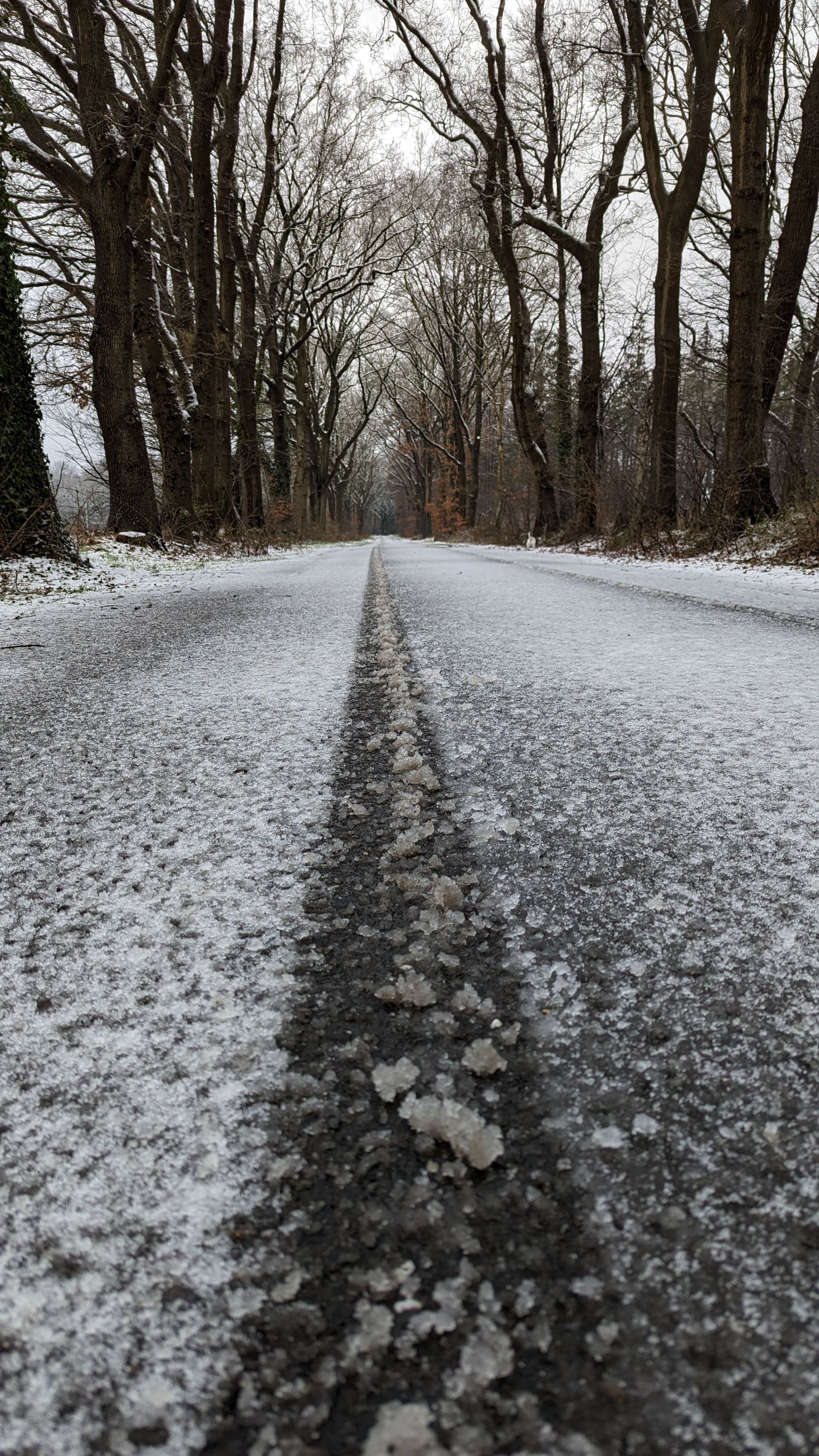
What Changes After Road Plowing Completes
Road clearing focuses on restoring two-lane passage and removing enough depth that vehicle undercarriages no longer drag or high-center on compacted ridges. Specialized equipment includes truck-mounted plows for long straightaways and skid steers with pusher boxes for tighter turns and dead-end roads where snow must be relocated rather than simply pushed aside.
After clearing, drivers notice clear travel lanes instead of tire ruts, intersections where visibility extends beyond snow piles, and grades that can be climbed without losing traction or sliding backward. Main access routes stay open even during multi-day storms because initial clearing prevents new snow from bonding to old layers and forming the dense, icy base that stops plows from reaching pavement.
Response times depend on storm severity and the number of contracted properties requiring attention, with primary access roads serving commercial facilities typically prioritized over secondary private drives. The service includes lane clearing and intersection widening but does not cover parking area snow unless specifically contracted as part of a combined package.
Questions Before Starting Your Project
Road snow removal involves equipment selection, timing decisions, and snow management strategies that vary based on road design and traffic volume.
What equipment is used for private road plowing versus parking lot clearing?
Private roads require truck-mounted angled plows that can handle long straightaways and push heavy snow volumes off travel lanes, while parking lots often use pusher boxes on skid steers for precision work around parked vehicles and landscaping.
How wide does a private road need to be for two-lane clearing in Bluff City?
Roads at least eighteen feet wide allow plows to clear two travel lanes in opposite directions, though narrower roads receive single-lane clearing with pullout zones left for passing.
Why do steep roads require different plowing techniques than flat routes?
Steep grades demand uphill plowing to prevent loaded blades from sliding backward, and multiple light passes work better than single heavy pushes that compact snow into slick layers vehicles cannot climb.
When should road clearing happen relative to ongoing snowfall?
Clearing works best once accumulation reaches four to six inches or when snowfall rates slow, since plowing too early wastes passes and waiting too long allows snow to compact into dense masses that resist blade penetration.
How are snow piles managed on roads without adjacent open space?
Snow must be hauled off-site or stacked in designated turnouts when roads lack shoulders or berms, which adds time and cost but prevents piles from narrowing lanes or blocking sightlines at curves.
Holston Valley Land and Forestry coordinates with property managers and facility operators to establish response protocols, priority sequences, and communication systems so road clearing aligns with operational needs and traffic patterns. Schedule a planning consultation to map your road network and define service expectations for the upcoming winter season.