
Roads That Resist Black Ice Formation
Road Salting in Johnson City for commercial lots, private roadways, and access routes threatened by freezing precipitation
Black ice forms when moisture on pavement freezes into a transparent layer that offers no traction and no visual warning, turning roads into skating rinks before drivers realize conditions have changed. Road salting treats surfaces before and after winter storms, lowering the freezing point of water so ice cannot bond to pavement even as temperatures drop overnight. Holston Valley Land and Forestry applies ice control treatments across Bluff City and Johnson City, focusing on roadways, commercial parking areas, and private drives where vehicle traffic continues regardless of weather conditions.
The process involves spreading granular salt or liquid brine formulations across paved surfaces at rates determined by temperature, forecast precipitation type, and whether pavement is already wet or dry. Pre-treatment prevents ice from forming, while post-storm application melts existing ice and restores traction once the precipitation ends.
Arrange a pre-treatment schedule based on forecasted storm timing and pavement temperature thresholds.
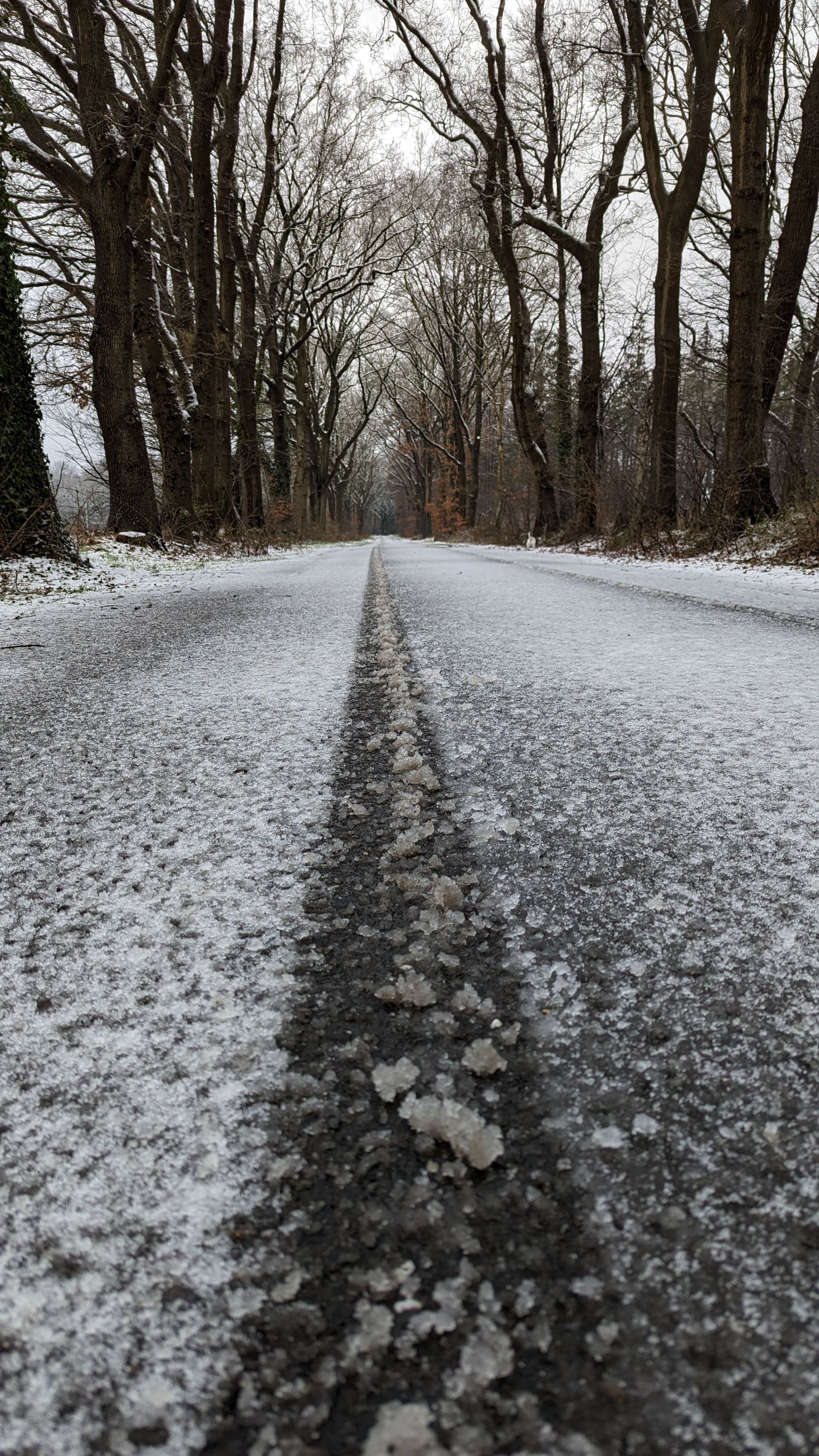
Why Ice Control Happens Before and After Storms
Pre-treatment works by creating a chemical barrier on dry pavement so falling precipitation cannot freeze on contact, which matters most when freezing rain is forecast or when temperatures will drop rapidly after sunset. Post-storm salting targets ice that formed during the event, breaking the bond between ice and asphalt so plows can scrape surfaces clean and traction returns within hours rather than waiting days for natural melt.
Once treatment takes effect, you notice tires gripping instead of sliding, no glare ice reflecting headlights at night, and wet pavement instead of the slick, barely visible sheen that signals black ice. Roads treated ahead of storms often stay wet rather than freezing, while post-storm applications turn solid ice into slush that drains off or evaporates as temperatures rise.
Application rates vary based on pavement temperature and whether moisture is already present—cold, dry pavement requires less material than wet surfaces approaching freezing. The service covers material application and spreading but does not include plowing unless combined with snow removal contracts.
Common Questions About This Service
Ice control questions typically focus on timing, material types, and how treatments interact with different pavement conditions.
What type of material is used for road salting in Bluff City?
Granular rock salt and calcium chloride blends are standard for most conditions, with liquid brine pre-treatments used when pavement is dry and temperatures are forecast to drop rapidly overnight.
How long does road salt remain effective after application?
Salt continues working as long as moisture is present and temperatures stay above ten degrees Fahrenheit, though effectiveness drops sharply below that threshold and additional applications or alternative chemicals become necessary.
Why does pre-treatment matter if snow has not started falling yet?
Pre-treatment prevents the initial bond between moisture and pavement, which means freezing rain or light snow never adheres in the first place and can be plowed or drained away before building into hazardous ice layers.
When is road salting ineffective and alternative methods needed?
Extremely cold temperatures below zero degrees Fahrenheit render standard salt ineffective, requiring calcium chloride or sand for traction since chemical melting stops working at those extremes.
How soon after application does traction improve on treated roads?
Granular salt begins melting ice within fifteen to thirty minutes depending on pavement temperature, with full traction restoration taking one to two hours as ice dissolves and runoff drains from the surface.
Holston Valley Land and Forestry monitors weather forecasts and pavement temperatures to time applications for maximum effectiveness, treating high-priority routes before storms arrive and following up on secondary roads once precipitation ends. Contact the team to establish treatment triggers and material preferences for your roadways or parking areas.